
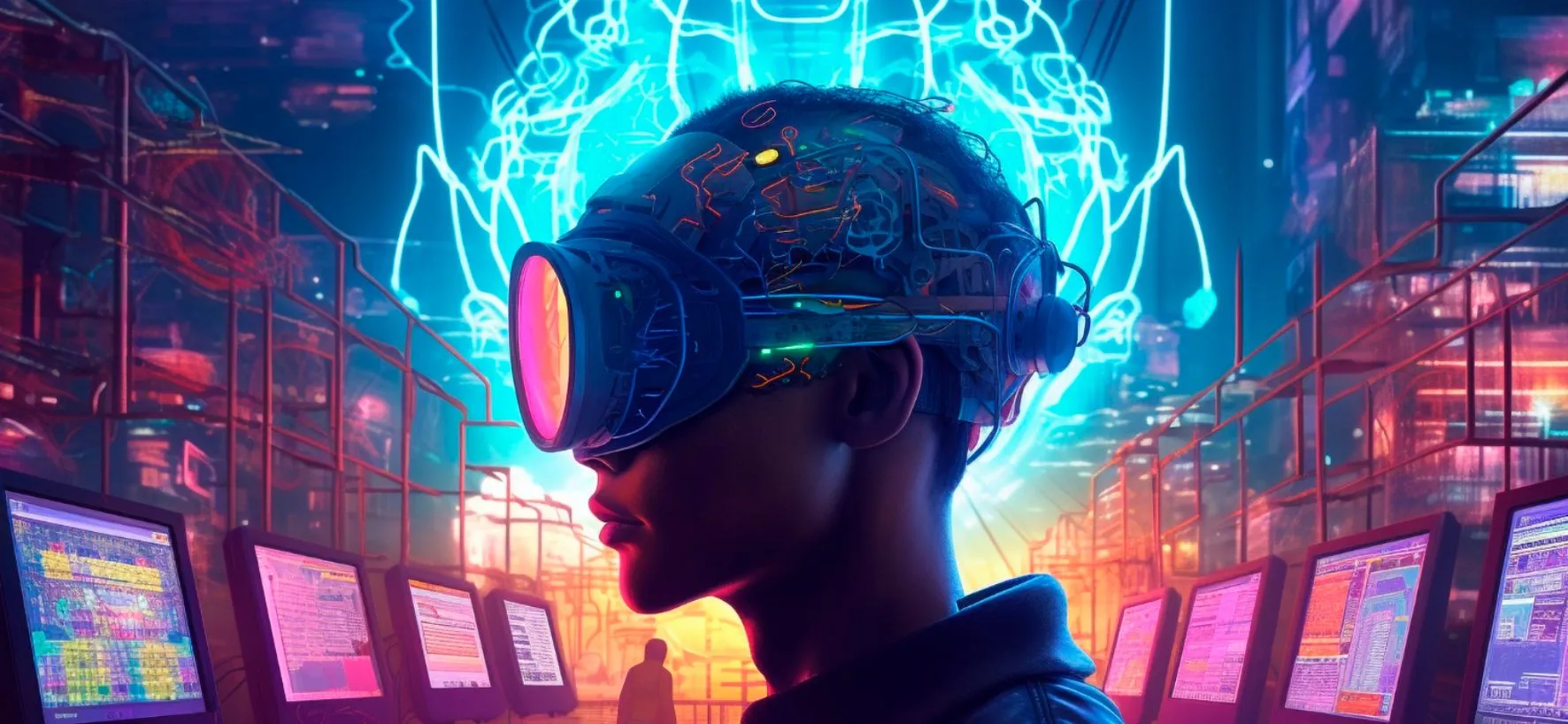
The design world is entering a new era — where creativity and computation intersect more seamlessly than ever before. Artificial intelligence (AI) is not just automating routine tasks; it’s amplifying human imagination, challenging traditional workflows and unlocking possibilities that were once beyond reach.
From design thinking to intelligent co-creation
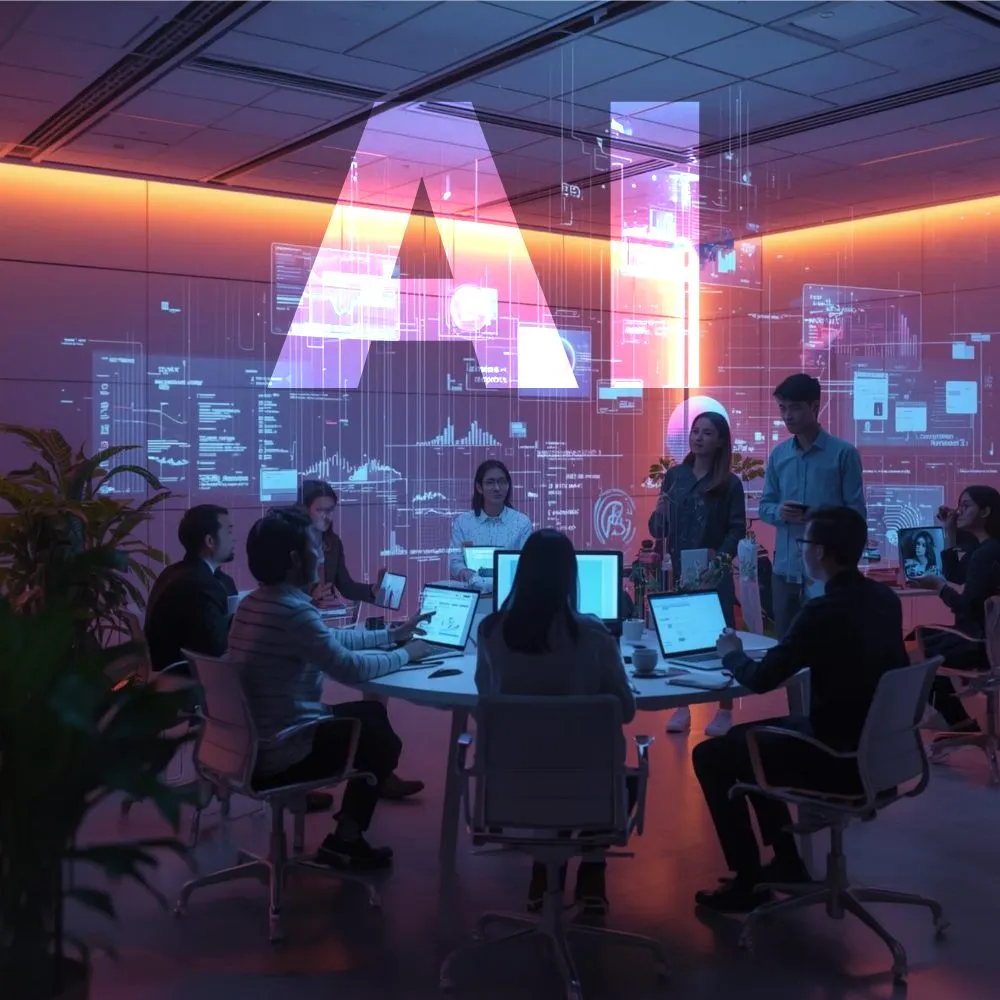
Design has always been about empathy and innovation. AI now acts as a creative collaborator — analysing user behaviour, predicting design patterns and offering intelligent suggestions that help designers make faster, data-informed decisions. Instead of replacing creativity, AI enhances it — allowing teams to focus on what truly matters: crafting meaningful user experiences.
How AI transforms the design workflow
- Faster prototyping — AI tools instantly generate wireframes and design layouts, allowing teams to visualise ideas and iterate within minutes.
- Data-driven insights — Intelligent analytics reveal user behaviour patterns, guiding designers to make more informed and impactful design decisions.
- Smarter collaboration — AI streamlines communication between designers, developers and stakeholders by automating routine feedback and aligning creative direction.
Personalisation at scale
AI enables hyper-personalisation — designing interfaces that adapt dynamically to individual user needs, behaviours and emotions. This goes beyond responsive layouts. It’s about delivering experiences that feel uniquely human, powered by machine intelligence that understands user intent in real time.
AI in action: real-world design transformations
- Digital banking — Personalised dashboards and smart nudges guide users toward better financial decisions through predictive design patterns.
- Healthcare platforms — AI analyses patient data to create intuitive interfaces that surface the most relevant insights for doctors and users.
- E-commerce — Product layouts and recommendations dynamically adapt to user behaviour, enhancing engagement and conversion rates.
- EdTech solutions — Learning dashboards evolve with user progress, offering customised journeys that boost knowledge retention and motivation.
- Enterprise tools — Intelligent UX automates repetitive workflows and provides adaptive layouts, improving productivity across teams.
Data as the new muse
Traditionally, inspiration came from mood boards and creative intuition. Today, data has become the new muse. With AI-driven analytics, designers can visualise how users interact, where friction occurs and how emotional resonance can be improved. The result? Smarter, evidence-based design decisions that still retain emotional depth.
Accelerating prototyping and innovation
Tools powered by AI — such as automated wireframing, layout optimisation and content generation — are redefining speed in the design process. What once took weeks can now be iterated in days, allowing teams to test, refine and evolve products faster than ever before.
The human touch remains central
Even as AI becomes an integral part of design systems, the human element remains irreplaceable. Empathy, ethics and cultural understanding cannot be coded. The future of design lies in synergy — humans providing creative direction, and AI amplifying execution with precision and insight.
Conclusion: designing the future, together
The creative algorithm isn’t here to replace designers — it’s here to elevate them. By merging human intuition with machine intelligence, we move toward a design landscape that’s faster, smarter and infinitely more adaptive. The question isn’t whether AI belongs in design — it’s how we can use it to build a future where innovation never stops evolving.

Have a challenge worth solving?